Managing Body and Environmental Temperature Swings in Kids with Paralysis
In the brain, the hypothalamus controls body temperature managed by the autonomic nervous system. This is a part of the nervous system that runs the automatic functions in the body such as breathing, heart beating, kidney and liver functions, among others.

Your body manages temperature control without you thinking about it. If the skin senses too hot, more blood will be sent to the surface of the skin for cooling off, much like rosy cheeks with a fever. If the skin senses too cold, more blood is sent to the internal organs to keep them functioning well. The body responds to cold by shivering to create internal heat.
Muscle function also plays a role in adjusting internal body temperature. When muscles are moving, body heat is produced. With challenges to the ability to sense temperature, and decreased muscle function, the temperature regulating systems do not function as well.
Any disease or injury to the nervous system can result in a child’s inability to internally control their body temperature. This is called thermodysregulation.
There are a variety of consequences that can be caused by lack of monitoring the temperature of your child’s environment both inside and outside of the home:
- Excessive sweating leading to dehydration
- Not sweating leading to overheating of the body
- Night sweating as the body attempts to regulate itself
- Heat or cold intolerance
- Dizziness and Fainting
- Fatigue and Weakness
- Flushing or Chills
- Brain Fog
- Rapid Heartrate
- Irritability, Tantrums, Behavioral Changes
- Decreased alertness or other Mentation Changes
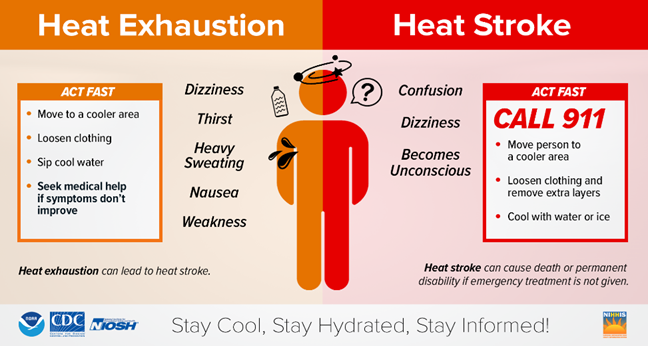
Tips to help regulate your child’s temperature with neurological issues:
- Layer clothing, more in cooler temperatures, less in warmer temperatures. Dress for the weather.
- Find or create shade with an umbrella.
- Supply cool water drinks in warm weather, warm water drinks in cold weather to keep hydrated and as the bladder management program allows. Check with your child’s healthcare professional to see if electrolyte fluids can be used (not every child can tolerate these). Avoid highly sugared drinks.
- Control the environment, in warm weather use fans, air conditioning, shade, cool damp towels or cooling cloths, in cool weather adjust thermostat to comfort, blankets, cover all body parts except face, use a blanket underneath pressure dispersing equipment when in wheelchair as equipment can retain cold. Monitor temperature fluctuations such as sitting next to vents, sunbeams, or fireplaces resulting in one side the body is too hot or cold. Cool or heat vehicles before entering.
- Encourage and provide manual movement of extremities to encourage internal muscle heat generation.
- Monitor for symptoms such as flushed cheeks, rapid breathing, dizziness, or behavioral changes.
Call 911 if mental changes or other serious health issues occur as listed in the graphics above. Medical treatment will be required.
Cooling should be done quickly. Warming may take more time. For some children/teens sleep will reset the brain to help adjust body temperature. The best treatments are prevention and planning ahead.
Join Our Movement
What started as an idea has become a national movement. With your support, we can influence policy and inspire lasting change.
Become an Advocate